Balham Station shop deep cleaning and hygiene checklist
If you run or manage a shop near Balham Station, cleanliness is not just a nice extra. It shapes how people feel the moment they walk in, how long they stay, and whether they trust what they see on the shelves. A proper Balham Station shop deep cleaning and hygiene checklist helps you go beyond the daily wipe-down and deal with the hidden build-up: grease, dust, footfall grime, fingerprints, odours, washroom residue, and the little things customers notice even if they do not say them out loud.
Truth be told, most shops are not "dirty" in an obvious way. They're just busy. A till area gets sticky. The entrance mat starts holding onto winter slush. Shelves get dusted, but not deep-cleaned. And that back corner nobody thinks about? Well, that's often where hygiene problems start. This guide breaks down what a real shop deep clean should cover, how to plan it, what to check, and where professional support can save time and stress. If you also need broader premises support, services like commercial cleaning and office cleaning can fit neatly around your routine.
Table of Contents
- Why Balham Station shop deep cleaning and hygiene checklist matters
- How the deep cleaning checklist works
- Key benefits and practical advantages
- Who this is for and when it makes sense
- Step-by-step guidance
- Expert tips for better results
- Common mistakes to avoid
- Tools, resources and recommendations
- Law, compliance, standards, or best practice
- Options, methods, or comparison table
- Case study or real-world example
- Practical checklist
- Conclusion
- Frequently asked questions
Why Balham Station shop deep cleaning and hygiene checklist Matters
Shops around a busy transport hub face a very particular kind of wear. Customers arrive with wet shoes, commuters drift in with coffee cups, and the store can go from calm to chaotic in a matter of minutes. That kind of traffic creates a constant layer of dust, dirt, and contact contamination, especially around doors, counters, baskets, payment points, and display units.
A deep cleaning and hygiene checklist matters because routine cleaning is designed to maintain appearances, while deep cleaning is designed to reset the space. You can mop the floor every night, but if skirting boards, shelf edges, handles, vents, and under-fixture areas are ignored, the shop never truly feels fresh. Visitors might not be able to name the problem, but they feel it. That slightly stale smell. That tacky counter edge. The smudge on the glass. It all adds up.
For shop owners, managers, and landlords, there is also a reputation angle. A tidy shop signals care, consistency, and proper management. A neglected one suggests shortcuts. And once trust slips, it's annoying to win back. If you need a stronger one-off reset after a particularly busy period, an one-off cleaning service can be useful before moving into a more regular schedule.
Expert summary: Deep cleaning is not about making a shop look clean for ten minutes. It is about removing the build-up that daily cleaning misses, especially in high-touch and high-traffic areas.
There's another side to this too: hygiene protects staff as much as customers. A cleaner work environment tends to be easier to manage, less stressful to work in, and less likely to develop odours or pest-attracting residue. Not glamorous, maybe. But important. Very important.
How Balham Station shop deep cleaning and hygiene checklist Works
A good shop deep clean follows a simple logic: clean from the top down, from the back to the front, and from dry debris removal to wet detailing. That sounds tidy on paper, but it matters in practice. If you wipe shelves before dusting the tops of cabinets, you simply move the mess. If you scrub the floor first and then clean the fixtures above it, you will be doing the floor again. Nobody wants that.
The checklist approach works best when each area is broken into zones. Think of the store in layers: entrance, customer-facing retail space, checkout and till area, storage, staff area, washroom, and any back-of-house surfaces. Each zone has its own hygiene risks and cleaning priorities.
In a real shop, you may also need different methods for different materials. Glass needs streak-free finishing. Vinyl and tile need safe floor treatment. Fabric seating or staff upholstery can trap odours. For those surfaces, you may need targeted services such as upholstery cleaning or carpet cleaning if the flooring or furniture holds dirt beyond what a quick surface clean can lift.
Deep cleaning also works best when it is scheduled around trading patterns. Early morning before opening, after closing, or during a quieter midweek window usually makes life easier. If the shop is tied to a broader property portfolio, regular cleaning can keep things under control between deeper resets.
Key Benefits and Practical Advantages
The obvious benefit is cleanliness. But there's a bit more to it than that.
- Better customer perception: a spotless shop feels more inviting and more trustworthy.
- Improved hygiene control: high-touch areas are cleaned more thoroughly, which helps reduce residue and cross-contamination.
- Longer-lasting fixtures and finishes: dust, spill marks, and grime can wear surfaces down over time.
- Odour reduction: deep cleaning helps remove the source of stale or sour smells instead of masking them.
- Safer working conditions: cleaner floors and clutter-free back areas reduce slip and trip risks.
- More efficient daily cleaning: once the deep layer of dirt is removed, regular upkeep becomes easier.
There is also a practical money-saving angle, which people sometimes overlook. Keeping fridges, vents, extractor areas, and floor edges clean reduces the chance of damage building up quietly in the background. A blocked vent or sticky residue around fittings can become a repair issue later. That's the sort of thing nobody notices until it is already a headache.
If your shop has a lot of window frontage, a clean exterior matters too. A regular window cleaning schedule can make the whole premises look sharper from the pavement, especially near a busy station where passing foot traffic is constant.
Who This Is For and When It Makes Sense
This checklist is useful for:
- independent shop owners near Balham Station
- retail managers responsible for daily standards
- leaseholders and landlords preparing a unit for inspection
- franchise operators with brand cleanliness requirements
- staff teams who need a clearer cleaning process
- businesses opening a new site or refurbishing an existing one
It makes particular sense after a busy trading period, before a compliance check, after builders or decorators have been in, or when you simply notice that "something doesn't feel fresh" even though the place looks tidy enough at first glance. That odd in-between stage is usually the signal. The shop is clean, but not clean-clean.
If you are setting up, moving stock, or dealing with refurbishment dust, after builders cleaning can be the right starting point before a normal hygiene routine takes over. If it's a move between premises, the logic is similar to move in cleaning or move out cleaning: reset the space first, then maintain it properly.
And if you manage more than one site, the value is even clearer. One well-run checklist saves time across the board. You are not reinventing the wheel every week. That alone is a relief.
Step-by-Step Guidance
Here is a practical sequence you can use for a Balham Station shop deep clean. It is detailed enough to be useful, but not so complicated that your team abandons it halfway through.
- Prepare the space. Remove loose stock from shelves, clear the floor, secure valuables, and switch off equipment where appropriate.
- Dust from top to bottom. Start with light fixtures, high shelves, tops of cabinets, vents, and ledges. Dust falls. Let it fall before you clean lower surfaces.
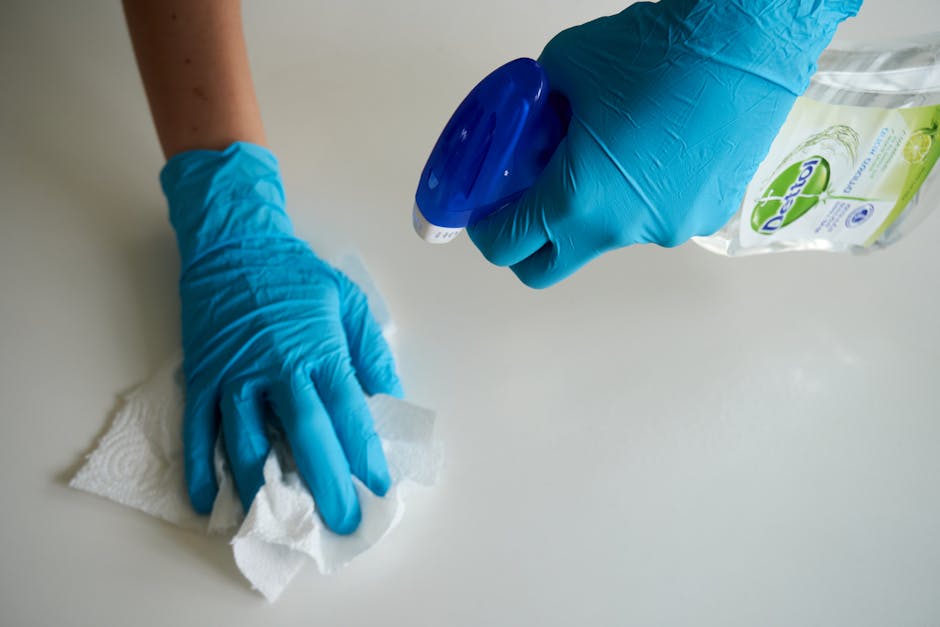
- Detail customer touchpoints. Clean handles, payment terminals, basket handles, card readers, counters, railings, push plates, and any shared pens or signage.
- Clean shelving and display units. Wipe the front edges, underside lips, and hard-to-see corners where debris tends to collect.
- Sanitise washrooms and staff areas. Pay attention to taps, flush buttons, door handles, soap dispensers, sinks, and waste points.
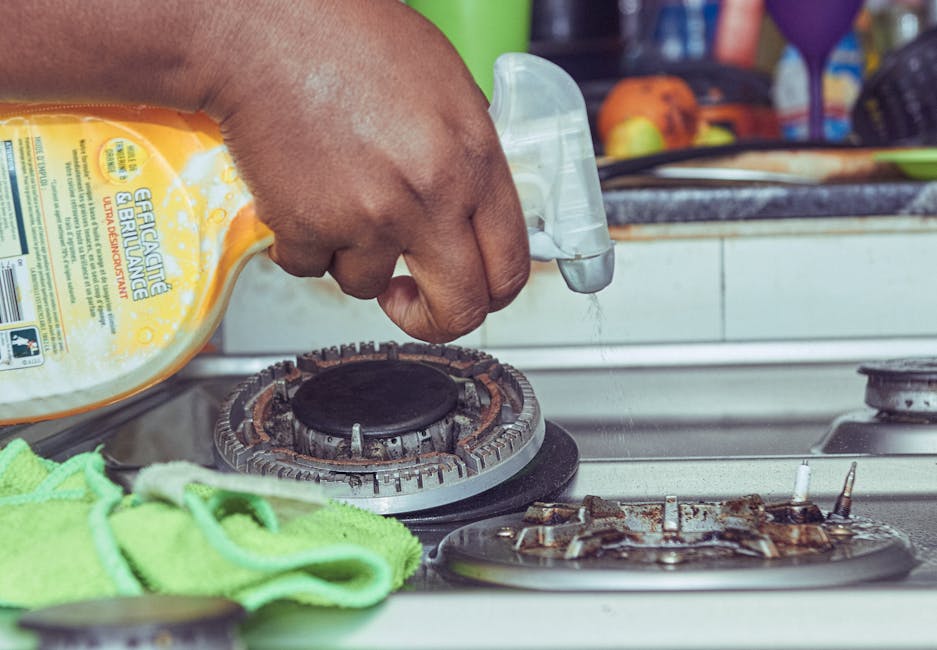
- Address floor care properly. Sweep, vacuum, spot-treat, and mop or machine-clean as needed. If the flooring is hard and heavily used, hard floor cleaning can make a noticeable difference.
- Deal with textiles and soft furnishings. Chairs, cushions, staff seating, curtains, and mats can hold odours and fine dust. For those areas, use targeted care such as curtain cleaning or, where suitable, steam carpet cleaning.
- Finish with glass and mirrors. Use clean cloths so you don't leave lint or streaks. It sounds minor, but reflections show everything.
- Check the back-of-house. Stock rooms, under-shelf spaces, waste bins, and storage corners often hold the most overlooked grime.
- Review and document the clean. Note what was done, what needs a follow-up, and any repairs or stain issues that were found.
If a stain has already set in, don't keep scrubbing aggressively and hope for the best. That usually makes it worse. Better to isolate it and use the right treatment, especially for upholstery, fabric displays, or floor marks. A focused stain removal approach is often safer than random trial and error.
Expert Tips for Better Results
Small adjustments make a big difference. In our experience, the cleanest shops are not always the ones with the fanciest products. They are the ones with a method.
- Use a colour-coded cloth system. Keep washroom cloths separate from customer-area cloths. It sounds obvious, but people forget when they're busy.
- Work in sections. Do not try to clean the whole shop at once. Break it into small wins.
- Clean during low-footfall periods. Morning windows are often easier than trying to work around lunchtime trade.
- Pay attention to smell, not just appearance. A shop can look fine and still feel stale. Odour is often a better clue than the eye.
- Use dwell time where appropriate. Some cleaning products need a moment to work. Wipe too soon and you waste the effort.
- Inspect at human eye level. If customers can see it, it matters. If staff have to duck to notice it, that's usually where the grime lives.
A slightly overlooked tip: ask the person who did not clean the area to inspect it. Fresh eyes catch the stray smear on the glass or the dusty shelf lip. The person who has been scrubbing for an hour may not. Fair enough, that happens to everyone.
For shops with seating, soft displays, or waiting areas, materials can trap much more than surface dirt. A periodic sofa cleaning or rug cleaning appointment can help keep customer areas looking and smelling fresh, especially in winter when damp coats and boots add more moisture into the room.
Common Mistakes to Avoid
Most hygiene issues in retail spaces do not happen because nobody cares. They happen because people are rushed. The same few mistakes crop up again and again.
- Only cleaning what is visible. Hidden ledges, under-counter areas, and the backs of fixtures matter more than people think.
- Using one cloth for everything. That just moves dirt around.
- Ignoring high-touch items. Card readers and handles are touched all day, every day.
- Forgetting waste areas. Bins and recycling points can create odours and attract pests if they are not properly maintained.
- Over-wetting floors or fabrics. Too much moisture can leave marks, damage materials, or create slip hazards.
- Skipping follow-up checks. One clean is not the whole process. You need verification.
Another mistake is assuming deep cleaning can replace regular maintenance. It cannot. Think of it as a reset, not a miracle. The best results come when deep cleaning and routine upkeep work together, not when one is expected to do all the heavy lifting.
Tools, Resources and Recommendations
You do not need a warehouse full of equipment, but you do need the right basics. For most shops, that includes microfibre cloths, mop heads suited to the floor type, a vacuum with appropriate attachments, neutral cleaners for general surfaces, sanitiser for touchpoints, glass cleaner, gloves, and waste bags or liners that match your disposal process.
For more complex retail spaces, a steam cleaner, upholstery extractor, or professional-grade floor machine can make life easier. The point is not to buy every gadget in sight. It's to use tools that match the surfaces in the shop.
If you are planning a broader maintenance programme, these related services may be useful depending on the layout of your premises:
- commercial carpet cleaning for high-traffic shop flooring
- commercial cleaning for wider premises care
- communal area cleaning for shared entrances or access points
- pet stain odour removal if pet-related smells have become an issue in a customer-facing space
Sometimes the most useful resource is a simple printed checklist stuck inside the cleaning cupboard door. Nothing fancy. A pen, a clipboard, and a routine that people actually follow. That's the real trick.
Law, Compliance, Standards, or Best Practice
Retail hygiene in the UK is generally shaped by common-sense duty of care, workplace health and safety expectations, and the need to keep premises safe and reasonably clean for staff and customers. Exact obligations can vary depending on the type of shop, what you sell, whether food is involved, and the building arrangement.
For most non-food retail spaces, best practice means having a documented cleaning routine, using products safely, training staff properly, and making sure any chemical storage or waste handling is sensible. If your premises includes staff facilities or shared areas, that adds another layer of responsibility. It is also wise to keep a record of cleaning tasks where practical, especially for washrooms, touchpoints, and any higher-risk areas.
Health and safety should not be treated as a box-ticking exercise. Wet floors, chemical misuse, blocked exits, and cluttered stock rooms all create avoidable risk. A professional team should be able to work in line with a clear health and safety policy and insurance and safety standards, with sensible care around access, equipment, and public areas.
If sustainability matters to your business, waste reduction and proper product use also matter. Good cleaning is not just about removing dirt; it is about doing it responsibly. That's why a simple recycling and sustainability mindset can sit comfortably alongside a hygiene checklist without becoming complicated.
Options, Methods, or Comparison Table
There is more than one way to maintain a shop. The best choice depends on footfall, shop size, surface types, and how much in-house time you actually have. Here's a simple comparison.
| Method | Best for | Strengths | Limitations |
|---|---|---|---|
| Daily in-house cleaning | General upkeep and visible tidiness | Cheap, fast, keeps the shop presentable | Often misses hidden grime and deeper build-up |
| Scheduled deep cleaning | Regular hygiene resets | More thorough, tackles overlooked areas | Needs planning and more time |
| Professional commercial support | Busy shops or multi-surface premises | Efficient, detailed, reduces staff burden | Higher cost than doing everything internally |
| Targeted specialist cleaning | Problem areas like floors, fabric, or stains | Strong results on specific issues | Does not replace whole-shop cleaning |
For many Balham Station shops, the sweet spot is a combination: daily tidying, weekly maintenance, and periodic deeper work. That keeps standards realistic. And realistic is good. Unrealistic cleaning plans usually end up ignored by week three.
Case Study or Real-World Example
Imagine a small independent convenience shop just off the station. Nothing dramatic, nothing messy, but it serves commuters from early morning to late evening. The team keeps the counters wiped and the floor swept, yet customers still comment that the place feels a little tired.
When the owner looks closely, the reasons are familiar. The entrance mat is full of gritty debris from wet shoes. The card machine has fingerprints all around the casing. The lower shelf edges have dust built up along the trim. The staff room bin is clean on top but less lovely around the base, and the back stock corner has a lingering smell from old cardboard and damp packaging.
After applying a structured deep cleaning checklist, the space changes more than expected. The glass fronts look brighter, the floor feels less sticky underfoot, and the customer area has that "freshly opened" feeling again. Not perfume-fresh, just clean. Better than clean, actually. You know it when you walk in.
What made the difference was not one heroic scrub session. It was the order of work: clearing clutter first, cleaning high-touch points, treating the floor properly, then checking the spots that nobody normally sees. That's the bit people miss.
Practical Checklist
Use this as a working shop hygiene checklist and adapt it to your layout. It is meant to be practical, not perfect.
- Entrance mats shaken out, vacuumed, or cleaned
- Glass doors, frames, and handles wiped
- High-level dust removed from ledges, vents, and fixtures
- Display shelves wiped front, back, and underneath
- Countertops sanitised and left dry
- Card readers, tills, pens, and shared touchpoints cleaned
- Bins emptied, liners replaced, and bin areas disinfected
- Washroom surfaces cleaned and checked for odour
- Sinks, taps, and soap dispensers descaled or wiped
- Floors swept, vacuumed, and mopped or machine-cleaned
- Skirting boards and corners dusted
- Staff seating and fabric items inspected
- Any stains treated promptly
- Back-of-house stock area tidied and cleaned
- Cleaning products restocked and stored safely
- Final walkthrough completed before opening or closing
Quick quality check: stand at the entrance, look down the shop, and ask yourself whether the space feels crisp, ordered, and cared for. If the answer is "sort of", there's probably one more thing to do.
Conclusion
A Balham Station shop deep cleaning and hygiene checklist is really about consistency. It keeps the shop feeling trustworthy, supports staff, and stops small issues from quietly turning into bigger ones. The best version is not overcomplicated. It is clear, repeatable, and matched to the way your shop actually operates.
Deep cleaning gives you the reset; regular cleaning keeps it going. When both are done properly, the difference is obvious. Customers notice the air feels fresher, surfaces feel better, and the whole place seems more cared for. That calm, clean feeling matters more than people admit.
If your shop needs a fuller reset, or if you want a cleaner, safer routine without juggling everything in-house, it may be time to speak with a trusted local team. For more about the people behind the service, see about us or review the pricing and quotes information before you decide. Small steps first. That's usually how the best results begin.
Get a free quote today and see how much you can save.
And if you keep the checklist alive week by week, your shop won't just look cleaner. It will feel looked after, which is often the real difference.
Frequently Asked Questions
What is included in a Balham Station shop deep cleaning and hygiene checklist?
It usually includes high-touch surfaces, floors, shelves, glass, washrooms, bins, staff areas, storage spaces, and any fabric or hard-floor detailing that routine cleaning misses. The point is to remove built-up dirt and hygiene risks, not just tidy the visible bits.
How often should a shop near Balham Station be deep cleaned?
That depends on footfall, layout, and what the shop sells. A busy retail unit may need deeper cleaning monthly or quarterly, while lighter-use spaces may manage with less frequent resets. Daily maintenance still matters in between.
Is daily cleaning enough for a retail shop?
Usually not. Daily cleaning keeps the shop presentable, but deep cleaning deals with the dust, residue, and hidden grime that build up over time. You need both if you want a proper standard.
What areas do people forget most often?
People often forget skirting boards, shelf edges, vents, under-counter spaces, door handles, bin bases, and the backs of fixtures. Those are exactly the places where dirt quietly settles in.
Can deep cleaning help with odours in a shop?
Yes, especially if the smell is coming from bins, fabrics, damp corners, or built-up residue. It will not fix every odour instantly, but it can remove the source rather than simply masking it.
Should I hire professionals for shop deep cleaning?
If the shop is busy, has multiple surface types, or needs work done outside trading hours, professional help often makes sense. It saves staff time and usually gives a more thorough result.
What is the difference between commercial cleaning and deep cleaning?
Commercial cleaning usually refers to ongoing maintenance. Deep cleaning is more detailed and less frequent, targeting the build-up that regular cleaning misses. One supports the other.
How do I know when my shop needs a deep clean?
If the shop looks fine but feels dull, smells stale, or needs constant touch-ups, that is a strong sign. A visible stain, sticky counter, or grubby entry area is another clue.
Are there special hygiene concerns for shops near a transport hub?
Yes. Higher foot traffic often means more debris, moisture, and contact points. Entrance areas, mats, glass, and floors usually need extra attention because they take the brunt of daily movement.
Can a shop checklist help with staff accountability?
Absolutely. A clear checklist makes it easier to assign tasks, spot missed areas, and keep standards consistent. It also reduces the "I thought someone else did that" problem, which, let's be honest, happens everywhere.
What should I do after builders have worked in the shop?
Start with a proper post-work reset. Dust, residue, and fine debris can settle on surfaces and in corners. After that, return to your normal hygiene routine so the space stays under control.
Where can I get help if I want a professional clean?
If you want a quote or need guidance on the right service level, start with the company's pricing and service pages and use the contact information on the site. A quick conversation is often enough to work out what your shop actually needs.